


Costa Rica’s Birdwatching Paradise
If there is a place in the world that can be defined as a “birdwatcher’s paradise”, Costa Rica certainly ranks among the top countries in the ranking and is also renowned for holding the record for one of the countries with the highest rate of biodiversity in the world.
An incredible biodiversity in a small territory
Although Costa Rica is not huge in terms of surface area, it has a huge variety of birdlife, and this peculiarity is due in part to the fact that there are different types of environments, each adapted to the different species of living beings that inhabit it.
We move from the hilly wooded areas teeming with hummingbirds, toucans and many other colorful species, to the marine areas with their pelicans, herons, egrets and spoonbills.

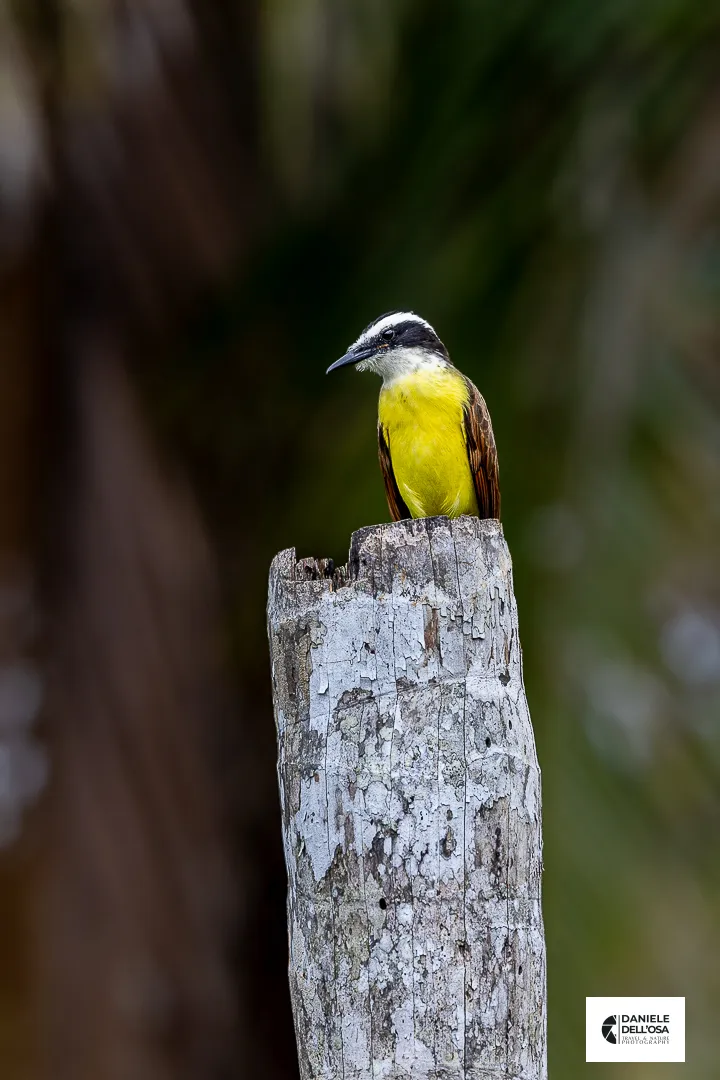

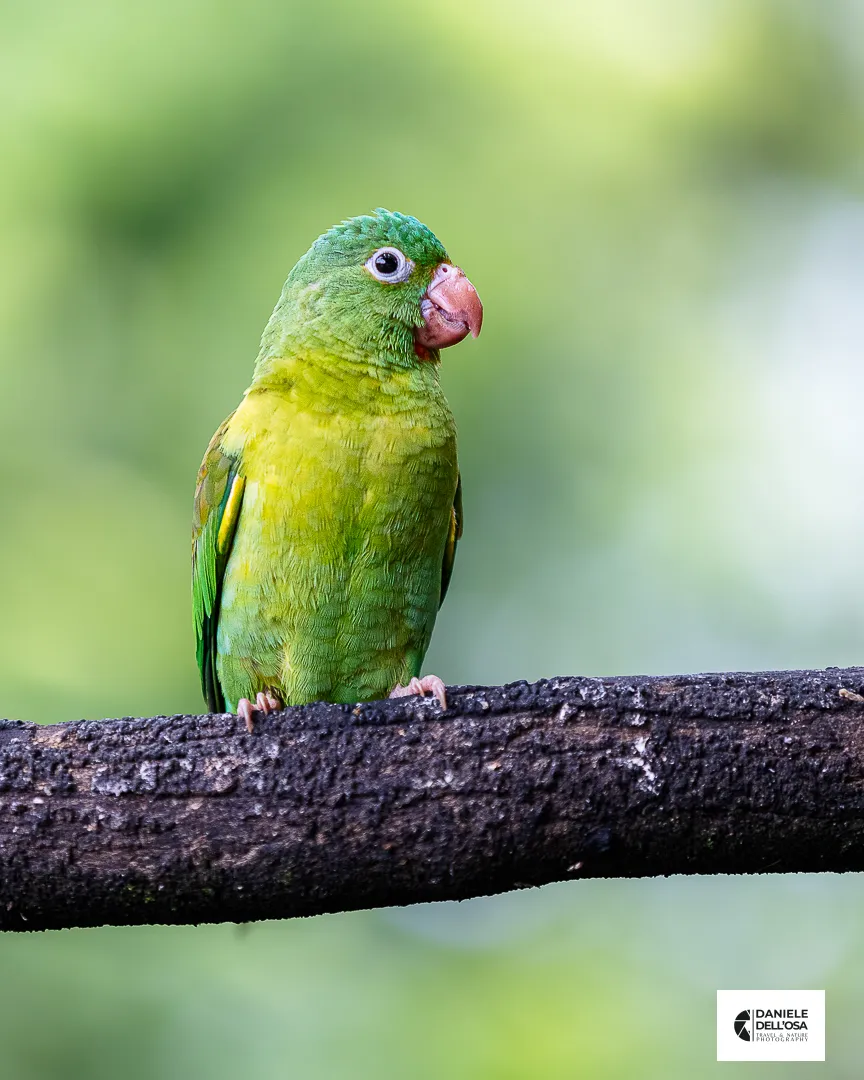


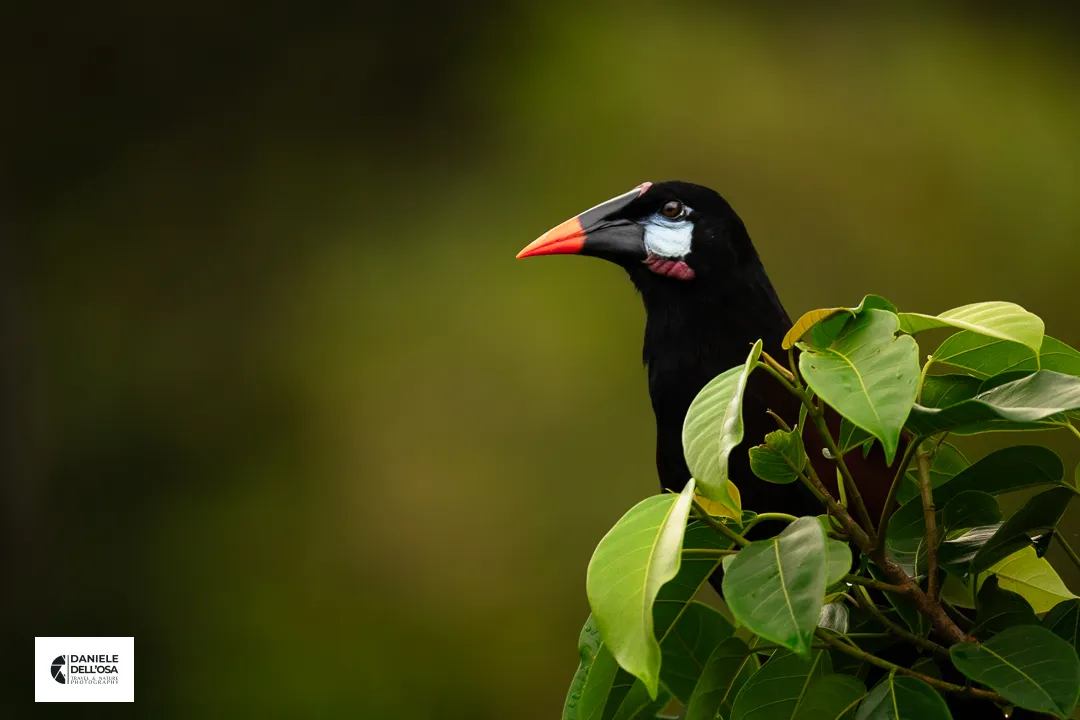

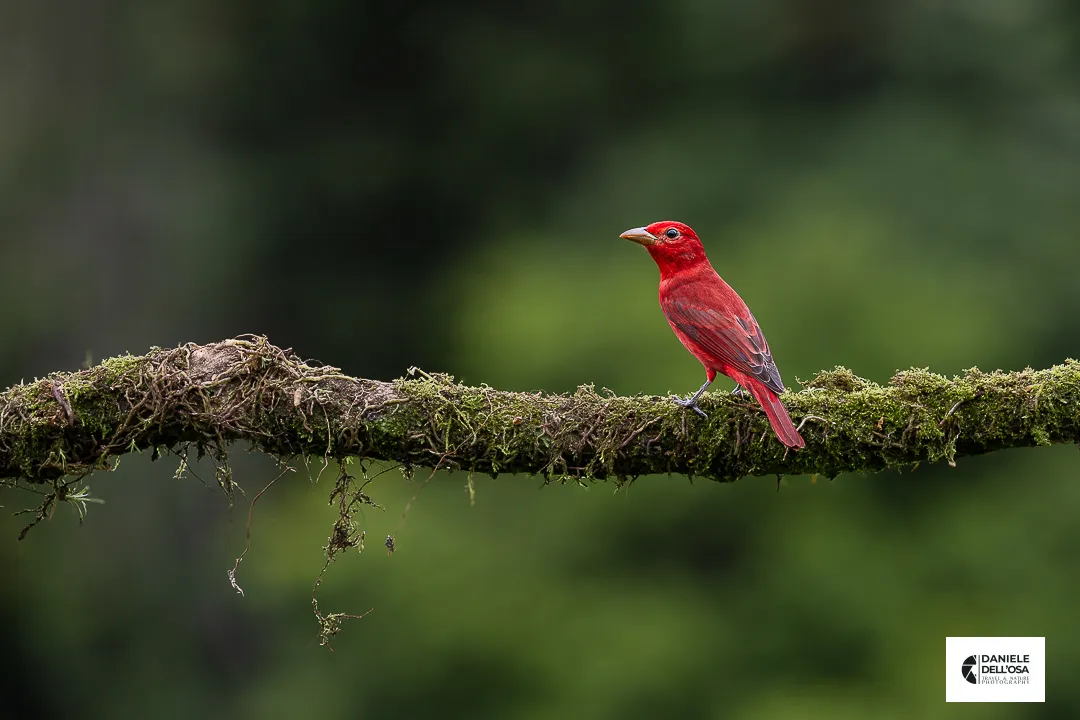

Costa Rica’s iconic and sought-after species
As in all countries, Costa Rica is home to some of the most popular and sought-after species, and it is no coincidence that many passionate photographers and birdwatchers choose this destination to capture their beauty.
Among the most iconic and particular species we find: the Scarlet Macaw, the Toucan, the Papa Vulture (or King Vulture), the Resplendent Quetzal, the Oropendula, the Aracari and many others.


The Scarlet Macaw: symbol of coastal regions
The scarlet macaw is mostly found in the coastal areas of the Puntarenas region (also present in some areas of Alajuela and southern Guanacaste).
It can reach almost a metre in height and has a bright and vibrant colour with its predominant scarlet red (hence the name) accompanied by yellow and blue.
In November you can witness their mating season where they make a great noise as they fly above your head or while courting each other among the branches of the trees.


Personal experiences in the field

I’ve been fortunate enough to witness these encounters several times during my travels in Costa Rica, and it’s always been deeply moving, even beyond the photography itself, which often doesn’t work out as well as desired due to lighting and distance. However, witnessing and admiring them in the wild is an incredible experience.
Last time, my group and I ventured into a mangrove forest adjacent to a marine park with 80% humidity where reptiles and monkeys seemed to be watching me (there was even a boa constrictor under a palm tree).
That day I had decided not to bring any photographic equipment but simply to admire the incredible scene we were witnessing.
What is the best equipment to photograph these parrots?
What’s the best equipment for capturing these parrots?
Well, there’s no single answer to this question, as it always depends on the light, the distance between the subjects, and the type of photography we’re after (portraiture or environmental), but a focal length of 400mm or more is definitely best.
Personally, I’ve been experimenting with a Canon 200-800mm lately, which I find very useful both when I want to set the subject in context and when I’m looking for a super detailed and bold portrait.
Obviously I find myself at a bit of a disadvantage in low light conditions as the lens has an aperture of 6.3-9.0 and therefore I am forced to raise the ISO but in any case I then try to recover something in post-production with modern technologies and programs (without distorting the images, just correcting them).


Rio Tárcoles: A Paradise for Birds (and Crocodiles)
Another fantastic place for birdwatching is definitely the Rio Tarcoles, not far from San José.
Just take the Carretera Nacional Pacifica that goes south and after an hour and a half you arrive at the famous crocodile bridge on the Rio Tarcoles.
The river is in fact famous for being home to the largest crocodiles in the country that populate the muddy banks of the river.
During my boat safaris in Costa Rica, I have always had great encounters: pelicans, spoonbills, many species of herons, frigate birds, storks, hawks, eagles, caracaras, and many species of kingfishers.
I was also lucky enough to take a photo later published in National Geographic where a baby crocodile was sheltering in a bush surrounded by pelicans and frigate birds whose feces were falling on the reptile.


Where to find toucans in Costa Rica
As for toucans, the best places are definitely the inland hilly areas between Monteverde, Arenal and the Maquenque reserve (in the latter the king vulture is very often encountered) without excluding the coastal areas where they can also be encountered.
The toucan is not at all a shy animal that runs away at the first noise or the first human presence; on the contrary, it lets itself be photographed calmly and without too many problems, so you almost always have plenty of time to get the perfect shot.
In Costa Rica we can find:
- Keel-Billed Toucan
- Yellow Throated Toucan
- Emerald Toucanet
- Collared Aracari


To conclude
Finally, if you want to immortalize the diverse and colorful birdlife, Costa Rica will give you many unforgettable shots and moments where travel is also easy.


